The Little Rock real estate market heads into 2026 with homeowners and investors asking the same questions they’ve been pondering for the past few years: Will prices continue to rise? How will interest rates affect demand? Is now the right time to sell?
After years of market volatility, economic uncertainty, and shifting buyer behaviors, understanding what lies ahead helps you make informed decisions about your property.
While no one can predict the future with complete certainty, examining current trends, economic indicators, and Little Rock-specific factors provides valuable insights into what 2026 might bring. Whether you’re considering selling soon or planning for the future, understanding market dynamics helps you position yourself strategically.
Current State of Little Rock’s Housing Market
Little Rock’s housing market has demonstrated resilience through recent economic challenges, though it hasn’t been immune to the pressures affecting real estate nationwide. Little Rock’s median home prices have shown steady appreciation over the past several years, reflecting both local demand and broader national housing trends.
Like many mid-sized cities across the country, Little Rock has experienced periods of tight inventory, creating competitive conditions for buyers and favorable situations for sellers. However, inventory fluctuates by neighborhood and price point, with some areas showing more available properties than others.
Days on market have varied considerably depending on property condition, pricing, and location within the metro area. Well-maintained homes in desirable Little Rock neighborhoods like Heights, Hillcrest, and West Little Rock typically move faster than properties that need significant repairs or are located in less sought-after areas.
Housing affordability in Little Rock, measured by the ratio of median home prices to median household incomes, remains more favorable than in many comparable metros. Affordability supports continued demand from first-time buyers and families seeking to upgrade, though rising interest rates have impacted purchasing power across all buyer segments.
National Economic Factors Affecting Local Markets
Federal Reserve monetary policy continues shaping housing markets nationwide, including Little Rock. Interest rate decisions directly impact mortgage rates, which in turn affect buyer affordability and demand. While rates have fluctuated considerably in recent years, the trajectory heading into 2026 depends on inflation trends and broader economic conditions.
Mortgage rates significantly influence how much home buyers can afford. Each percentage point increase in mortgage rates reduces purchasing power by 10-15 %, meaning buyers who qualified for a $250,000 home at lower rates might only afford $215,000 at higher rates. This dynamic affects demand across all price points in Little Rock’s housing market.
National employment trends filter down to local markets in meaningful ways. Strong job growth supports housing demand as employed workers feel confident making significant purchases. Conversely, employment uncertainty or job losses can quickly cool housing markets as potential buyers delay decisions or face difficulty qualifying for mortgages.
Inflation affects housing markets through multiple channels. Rising construction costs affect new-home prices, pushing some buyers toward existing homes.
Higher costs for materials, labor, and land constrain new housing supply, potentially supporting prices for existing inventory. Consumer inflation also affects buyer purchasing decisions as households balance housing costs against other expenses.
Little Rock-Specific Growth Indicators
Little Rock’s local economy provides the foundation for the housing market. The city’s diverse economic base, anchored by healthcare, government, education, and distribution sectors, provides stability that protects against severe downturns in any single industry. This economic diversification supports consistent housing demand even during periods of national uncertainty.
Major employers in the Little Rock metro area continue to expand and attract workers. Healthcare systems, technology companies, and financial services firms have announced growth plans that will bring additional jobs to the region.
Population trends tell an essential story about housing demand. Little Rock competes with other mid-sized cities for residents, and migration patterns significantly impact real estate markets. Recent years have seen varied migration trends, with some residents leaving for larger metros while others arrive seeking affordability and quality of life benefits that Little Rock offers.
Infrastructure investments shape neighborhood desirability and property values. Ongoing improvements to transportation networks, public facilities, and community amenities enhance certain areas while potentially shifting demand patterns across the metro. Planned infrastructure projects for 2026 will influence where buyers want to live and invest.
Downtown Little Rock’s ongoing revitalization continues attracting investment and residents. The transformation of downtown from primarily a business district to a mixed-use area with residential options appeals to younger professionals and empty nesters seeking urban lifestyles. This shift supports demand for downtown properties while potentially affecting suburban markets.
Housing Supply and Development Trends
New construction activity directly impacts market dynamics by adding supply that can moderate price growth. Little Rock’s homebuilding sector responds to demand signals, but construction faces constraints, including labor availability, material costs, and the availability of suitable land for development.
Builder sentiment reflects confidence in market conditions and willingness to start new projects. When builders feel optimistic about sales prospects, they launch new developments that add supply. Conversely, uncertainty slows activity, potentially creating future supply shortages. National and local builder sentiment indicators provide insights into near-term supply trends.
Land availability and development constraints affect where and how quickly new housing appears. Much of the easily developable land in desirable Little Rock areas has already been built upon, pushing new development to farther-flung locations or requiring more expensive infill development.
The mix of new construction matters as much as total volume. If builders focus primarily on higher-end homes, supply constraints may persist in more affordable segments. Little Rock needs housing across price points to serve diverse buyer needs, and imbalances in new construction create market inefficiencies.
Renovation and redevelopment activity represents another form of supply addition. Older homes that receive significant updates effectively create “new” inventory that appeals to buyers seeking updated features in established neighborhoods. This renovation activity particularly affects neighborhoods with older housing stock throughout Little Rock.
Market Predictions and What They Mean for Sellers
Looking ahead to 2026, Little Rock’s housing market will likely continue reflecting the tension between limited inventory and buyer demand constrained by affordability concerns. While dramatic shifts seem unlikely, several scenarios could unfold depending on interest rate trajectories and local economic conditions.
If mortgage rates moderate from recent highs, buyer demand could strengthen significantly. Lower rates improve affordability, bringing buyers back into the market and potentially increasing competition for available homes. This scenario would support prices and benefit sellers, particularly those with properties in desirable condition and locations.
Alternatively, if rates remain elevated or increase further, buyer demand may soften as affordability constraints prevent some households from purchasing. This scenario could lead to longer days on market, more price negotiations, and modest price appreciation or even slight declines in some segments.
Local economic performance will significantly influence Little Rock’s housing outcomes. Continued job growth and stable population support housing demand, regardless of national trends. Conversely, job losses or significant population outmigration would pressure local housing markets even if national conditions remain strong.
For sellers, timing matters more than trying to predict the perfect market timing. Property condition significantly affects salability regardless of broader market conditions. Well-maintained homes attract buyers and sell faster even in slower markets, while properties needing significant repairs struggle even in strong markets.
Your personal situation should drive selling decisions more than market timing attempts. If you need to relocate for work, downsize after a life change, or liquidate an investment property, waiting for “perfect” market conditions often costs more in carrying costs and missed opportunities than any incremental price gains you might achieve.
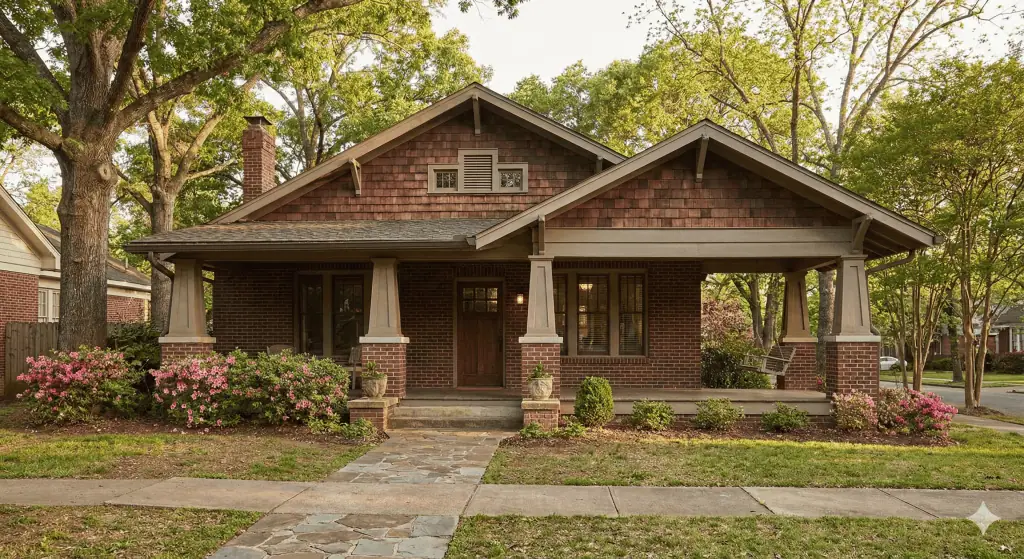
Different property types will experience 2026 market conditions differently. Move-in-ready homes in desirable neighborhoods will likely remain competitive regardless of broader market trends.
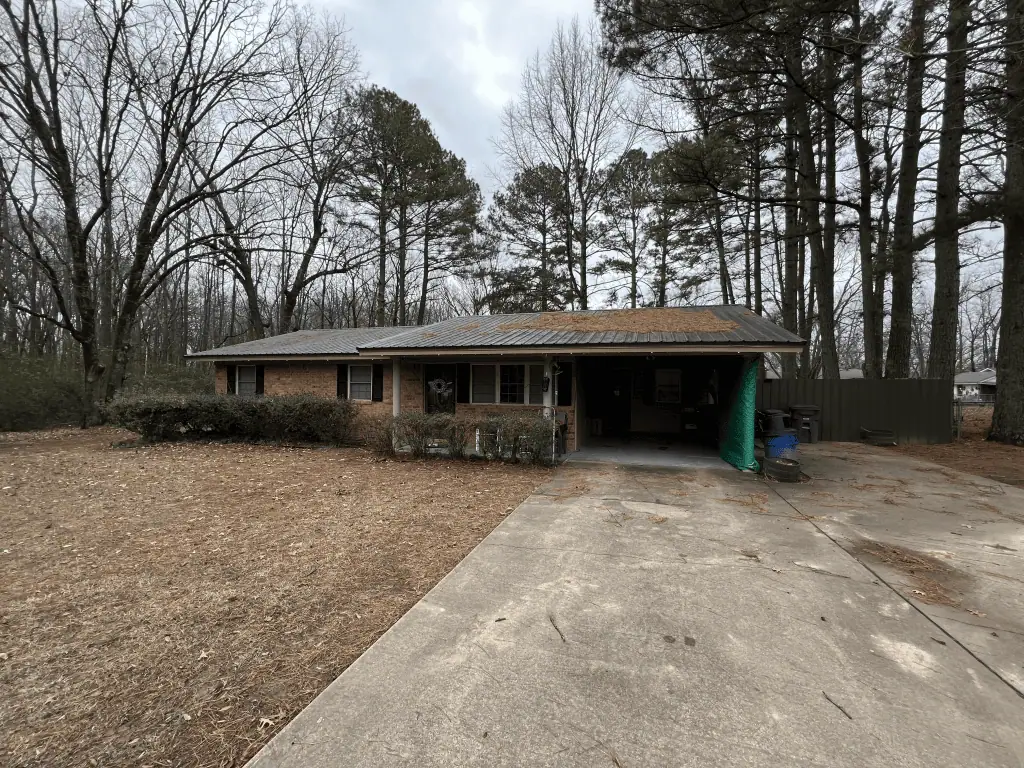
Properties needing significant repairs, those in less desirable locations, or homes with title or legal complications will face challenges that market conditions alone won’t resolve.
Take Action Today
Regardless of what 2026 brings to Little Rock’s real estate market, one certainty exists: Little Rock Property Buyers remains active and ready to purchase properties in any condition and any market environment. While traditional buyers come and go with market fluctuations, cash buyers provide consistent demand that doesn’t depend on financing availability or perfect market timing.
Market uncertainty actually makes cash buyers more valuable for many sellers. When you can’t predict whether conditions will improve or deteriorate, the certainty of a cash offer provides security that listing traditionally can’t match. You know precisely what you’ll receive and when you’ll close, regardless of interest rate changes or economic shifts.
Properties that struggle in any market conditions (those needing major repairs, facing title issues, or dealing with tenant problems) don’t benefit from waiting for better markets. These challenges exist regardless of broader trends, and cash buyers offer solutions that remain available whether markets boom or soften.
Ready to discuss your selling options regardless of what 2026 brings?
Contact us for a free, no-obligation consultation. Let Little Rock Property Buyers provide the certainty and speed that help you move forward confidently, whatever the market conditions ahead.