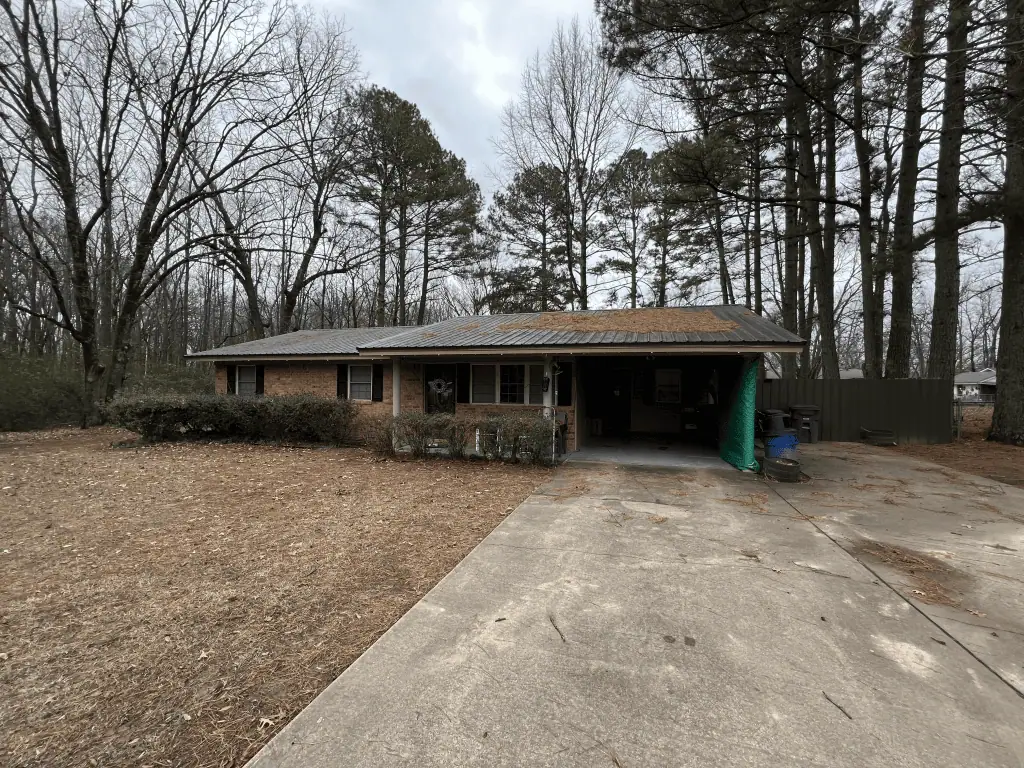
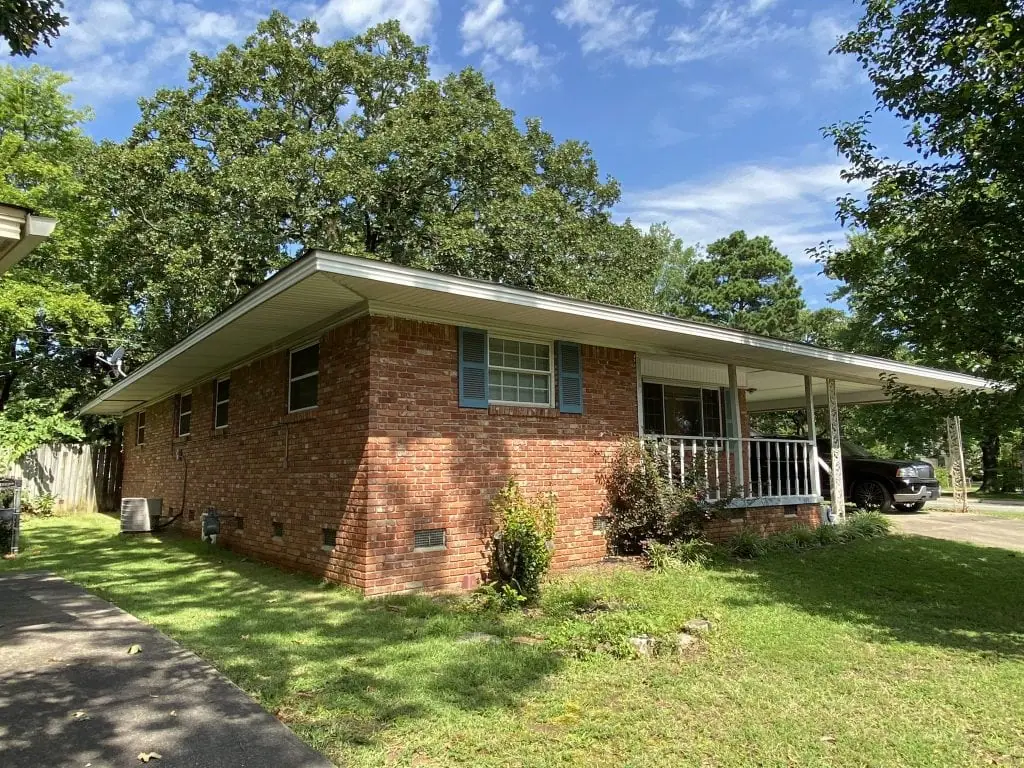
Inheriting a house should feel like a blessing, but for many people, it becomes an unexpected burden. Your parents’ Little Rock home holds decades of memories, yet you live three states away with your own home and family. The thought of selling feels like betrayal, but keeping it means managing a property from a distance while watching expenses pile up month after month.
You’re not alone in this situation, and you’re not a bad person for wanting to sell. Understanding your options and the realities of inherited property helps you make decisions that honor your loved ones while protecting your own financial well-being.
The Emotional Challenge of Inherited Homes
Guilt often becomes the first emotion when considering selling an inherited home. The house where you grew up, where family gatherings happened, where your parents built their life together, selling it can feel like erasing those memories. Many people struggle with the feeling that keeping the house somehow keeps their loved ones’ presence alive.
Family dynamics complicate these emotions further. One sibling might want to keep the house while another needs to sell for financial reasons. Cousins might have different attachments to a grandparent’s home. These disagreements can strain relationships already tested by grief, creating conflicts that make simple property decisions feel impossibly complicated.
The reality is that memories live in your heart, not in walls and roofing shingles. Keeping a house you can’t use, can’t afford, or don’t want creates resentment rather than honoring anyone’s memory. Your parents likely wanted their estate to benefit you, not burden you with financial obligations and stress.
Distance makes emotional challenges worse. If you inherited property in Little Rock but live elsewhere, you can’t easily visit the house or manage it personally. This distance transforms the property from a sentimental connection into an abstract problem that exists primarily as bills in your mailbox and worries in your mind.
Understanding the Financial Burden
The costs of inherited property accumulate faster than most people expect. Even if the house has no mortgage, property taxes in Little Rock continue indefinitely. Insurance premiums must be paid to protect the asset, often at higher rates for vacant properties. Utilities need to stay on to prevent issues like frozen pipes or mold growth from a lack of climate control.
Maintenance becomes an immediate concern with inherited homes. Lawns need mowing, gutters need cleaning, and systems need servicing. If you’re managing from outside Little Rock, you’ll need to hire local services for everything from lawn care to emergency repairs. These costs add up to $500-$1,000 monthly or more, depending on the property’s size and condition.
Vacant homes deteriorate rapidly without regular attention. Small problems like a leaking faucet or loose shingles can become major damage if they go unnoticed. Water intrusion, pest infestations, and mechanical failures accelerate in empty houses, creating expensive problems that could have been prevented with regular occupancy.
The opportunity cost matters too. Money tied up in inherited property is unavailable for other purposes. If the house has $150,000 in equity, that’s $150,000 not invested for retirement, not used to pay down your own mortgage, and not used to fund your children’s education. The true cost of keeping inherited property includes both direct expenses and lost opportunities.
Navigating the Arkansas Probate Process
Arkansas probate handles the legal transfer of property after someone dies. In Pulaski County, probate typically takes 6-12 months for straightforward estates, though complex situations can extend much longer. During probate, the court validates the will, pays debts and taxes, and transfers assets to heirs in accordance with legal requirements.
If your loved one left a will naming an executor, that person manages the estate through probate. The executor handles everything from filing court documents to maintaining property to eventually distributing assets. This role carries significant responsibility and can be overwhelming when combined with grief.
Small estates in Arkansas may qualify for simplified probate procedures that move faster and cost less. When estates fall below certain value thresholds and meet other requirements, heirs can sometimes avoid lengthy court processes. However, real property typically requires at least some probate involvement.
You can sell inherited property during probate with court approval, or wait until probate is completed and the property transfers to heirs. Selling during probate can stop the financial bleeding faster, but it requires court permission and adds complexity. Selling after probate completion gives you more control but extends the time you’re paying carrying costs.
Dealing With Multiple Heirs and Family Disagreements
When siblings or multiple family members inherit property together, unanimous agreement becomes necessary for most decisions. Everyone must agree to sell, agree on the asking price, and agree on which offer to accept. This requirement for consensus creates opportunities for disagreements that can stall the process indefinitely.
Common disputes include whether to sell immediately or wait for better market conditions, how much to invest in repairs before selling, and what constitutes a fair price. One heir living locally might have different perspectives than siblings living elsewhere. Financial situations vary among heirs, creating different priorities and urgency levels.
Legal options exist when heirs can’t agree. Partition actions allow courts to force property sales when co-owners reach an impasse. One heir can also buy out others’ shares if they want to keep the property. These legal remedies provide solutions but often damage family relationships and create additional costs.
Cash buyers simplify multi-heir situations by providing clear valuations and quick closings. When Little Rock Property Buyers makes an offer, all heirs see the same number and can make decisions with certainty rather than speculate about traditional market outcomes. This clarity often helps families reach an agreement more easily.
Practical Steps to Sell Your Inherited Little Rock Home
Start by realistically assessing the property’s condition. If you live far away, consider hiring a local inspector to provide an objective report on needed repairs and overall condition. This information helps you decide whether investing in improvements makes financial sense or whether selling as-is provides better returns.
Dealing with belongings and personal property often proves more emotionally challenging than selling the house itself. Estate sale companies can handle this process, selling valuable items and disposing of the rest. Local Little Rock charities accept donations of furniture, clothing, and household goods, helping you clear the home while supporting the community.
Decide whether to invest in repairs or sell as-is based on your situation. If the house needs $30,000 in repairs and you don’t have that money readily available, selling as-is makes more sense than taking out loans to fix someone else’s house. Even if you have the money, the time and stress of managing contractors from a distance might not be worth modest price increases.
Why Cash Buyers Make Sense for Inherited Properties
Inherited homes particularly benefit from cash sale options. You typically don’t have an emotional attachment driving you to maximize every dollar like you would with your own home. Speed and certainty often matter more than squeezing out the highest possible price through lengthy traditional sales.
Little Rock Property Buyers regularly purchases inherited homes and understands the unique challenges you face. We can close quickly, ending your monthly carrying costs and financial burden. You won’t need to invest in repairs, manage contractors remotely, or maintain the property during lengthy marketing periods.
We also handle situations where belongings remain in the house, working with your timeline for clearing personal items. This flexibility reduces pressure during an already difficult time, letting you handle family items at your own pace rather than rushing to meet listing deadlines.
Take Action Today
Inheriting property you don’t want creates genuine challenges, both emotional and financial. Making the decision to sell takes courage, but keeping property out of obligation often leads to resentment and financial strain that helps no one.
Little Rock Property Buyers understands the sensitive nature of inherited property sales. We’ve helped countless families navigate these difficult situations with compassion and professionalism, offering fair offers and flexible terms tailored to your unique circumstances.
Ready to discuss your inherited property? Contact us for a free, no-obligation consultation. Let us help you find a solution that honors your loved one’s memory while protecting your financial future.